Shaanxi Hydrotransformer Energy Technology Co., Ltd.

Glycoluril Handling: Technical Precision in Safety, Storage, and Waste Management

Table of Content [Hide]

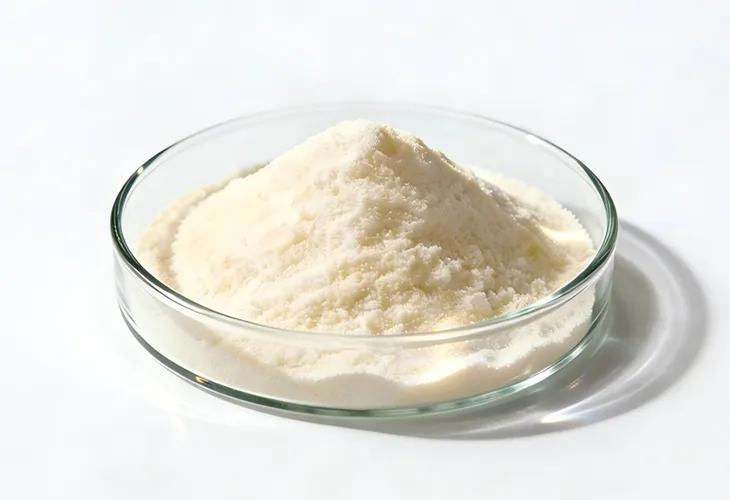
    Glycoluril is a versatile heterocyclic chemical intermediate widely utilized in the production of resins, coatings, and cross-linking agents. While it is valued for its stability and low toxicity compared to other formaldehyde-based cross-linkers, professional handling and rigorous adherence to protocol are essential to maintaining a high-standard working environment. At HydroTransformer, we prioritize operational safety and technical precision in every stage of chemical management.


    Safety


    Ensuring the physical well-being of personnel is the first priority when working with glycoluril. Although the substance is generally not classified as a highly acute toxin, it can act as a mechanical irritant.


    • Personal Protective Equipment (PPE): Operators should always wear standard laboratory or industrial protection, including chemical safety goggles, nitrile gloves, and a dust mask (N95 or higher) to prevent inhalation of fine particulates during weighing or mixing.


    • Exposure Control: Ensure the workspace is equipped with adequate local exhaust ventilation. In the event of skin contact, immediately flush the area with soap and water; for eye contact, rinse thoroughly for at least 15 minutes and seek medical evaluation if irritation persists.


    • Hygiene Practices: Avoid eating, drinking, or smoking in areas where glycoluril is handled. A strict "clean-as-you-go" policy prevents the accumulation of combustible dust.


    Storage


    To preserve the chemical integrity and reactivity of glycoluril, storage conditions must be strictly controlled. Proper storage not only extends shelf life but also prevents accidental contamination of other raw materials.


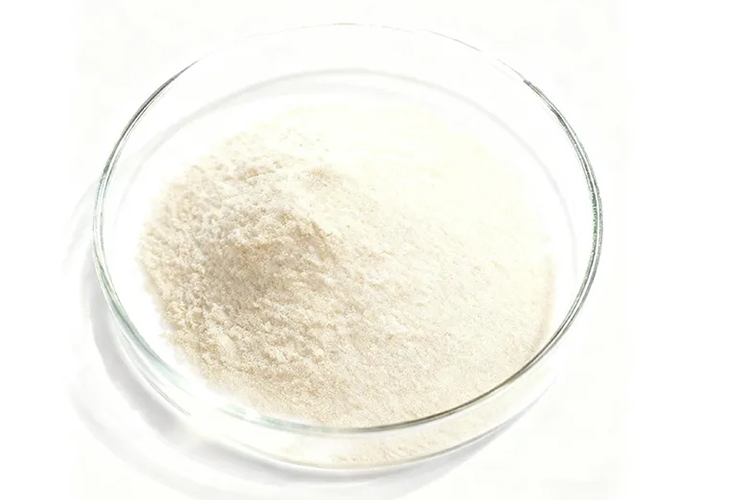
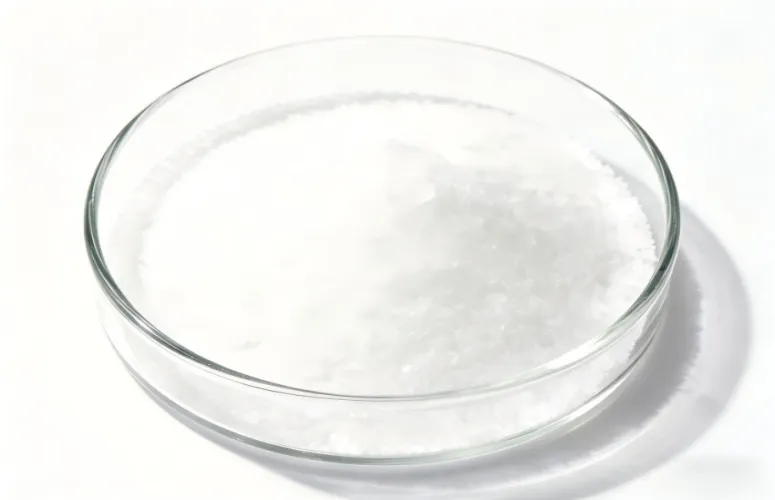
    • Environmental Control: Store glycoluril in a cool, dry, and well-ventilated warehouse. Moisture is a primary concern, as humidity can lead to clumping or degradation of the powder's physical properties.


    • Container Integrity: Keep containers tightly sealed when not in use. We recommend high-density polyethylene (HDPE) or fiber drums with moisture-proof liners to ensure a robust barrier against the elements.


    • Incompatibility Awareness: Ensure that glycoluril is stored away from strong oxidizing agents and concentrated acids. Maintain a clear inventory system that separates cross-linking agents from incompatible catalysts to prevent unintended exothermic reactions.


    Disposal


    Responsible disposal is a hallmark of sustainable industrial operations. Glycoluril and its packaging must be managed in compliance with local environmental regulations and "Green Chemistry" principles.


    • Waste Categorization: Any spilled material or off-specification product should be collected using a vacuum system or wet sweeping to avoid dust clouds. This waste should be treated as industrial chemical waste.


    • Professional Remediation: Disposal via incineration at a licensed chemical waste facility is typically the recommended method. Never discharge glycoluril or wash-water containing the substance directly into municipal sewage systems or natural water bodies.


    • Packaging Management: Empty containers may retain residual dust. These should be triple-rinsed (where applicable) and disposed of or recycled through authorized industrial waste streams, rather than treated as general refuse.


    glycoluril handling technical precision in safety storage and waste management


    References
    We use cookies to offer you a better browsing experience, analyze site traffic and personalize content. Part of the tracking is necessary to ensure SEO effectiveness,
    By using this site, you agree to our use of cookies. Visit our cookie policy to learn more.
    Reject Accept